

A GUIDE FOR FILMMAKERS AND HOSTS
How to Measure a Documentary Screening’s Impact
Separate reach from change with a clear goal, a baseline, useful follow-up, and honest limits on what the evidence proves.
A full room and an energetic discussion tell you that people gathered. They do not, by themselves, tell you whether viewers learned something, changed a decision, or acted later. Doc Society’s Impact Field Guide recommends beginning with a specific campaign goal, choosing indicators for it, and recording a baseline.
Inspire’s published Zero Limits Hollywood invitation is a useful example of the boundary between a public event plan and an outcome. It documents what was offered and where the screening was advertised. It does not publish verified attendance, audience learning, or later action. The measurement plan below is a proposal for a future event, not a claim about that one.
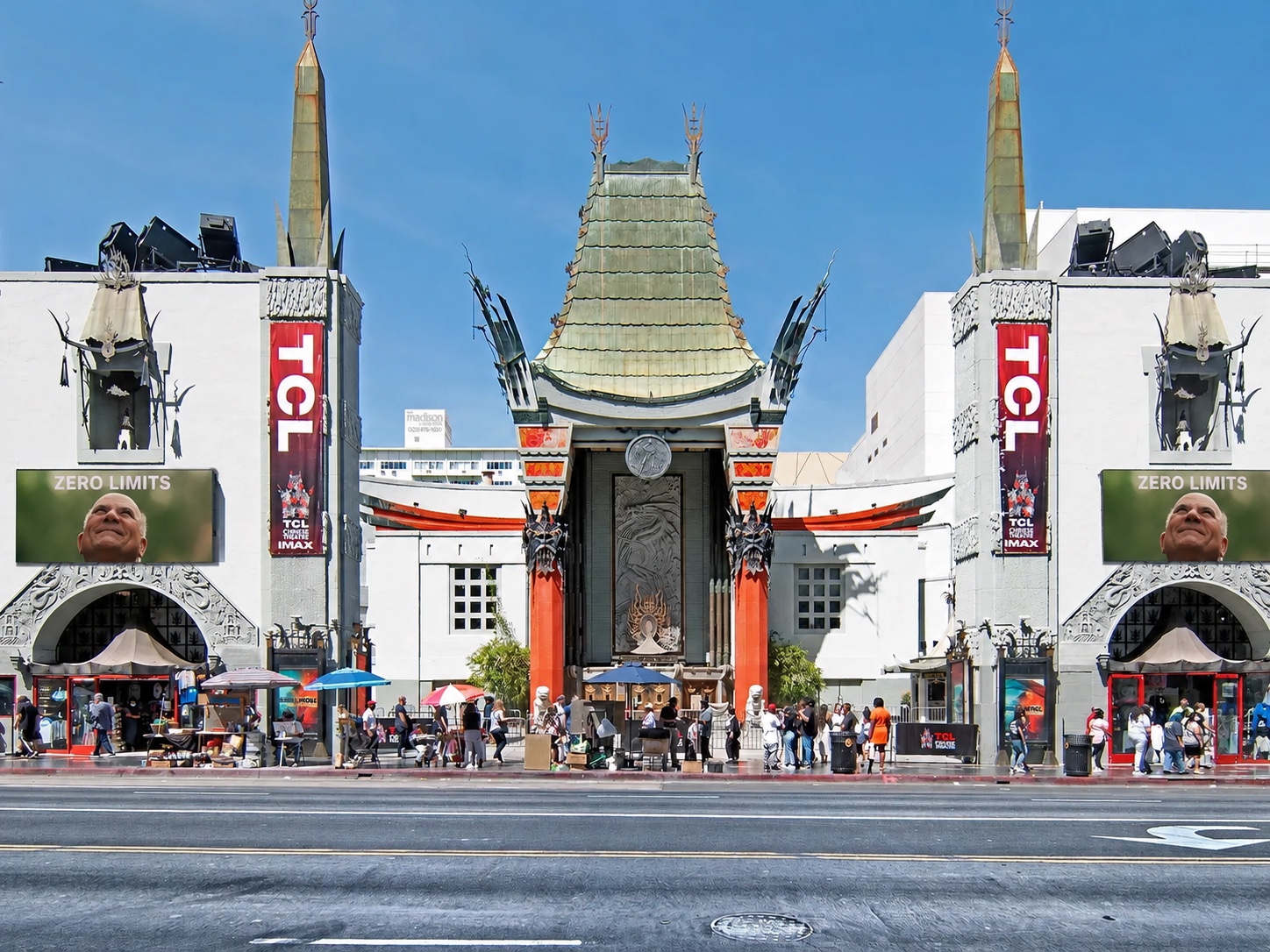
A published invitation, not an outcome report
What the Zero Limits listing can and cannot show
The Inspire event page advertised an in-person Zero Limits screening at TCL Chinese Theatre in Hollywood on September 15, 2026, alongside a dinner and a small mastermind. The Eventbrite listing also described the Hollywood format. Those are details of the public offer; they are not measurements of audience change.
- Documented: the invitation named the film, venue, date, and host Jeanie Davidson.
- Documented: the offer separated the screening from dinner and mastermind participation.
- A possible reach measure: verified ticket check-ins, if the organizer records them.
- A possible outcome measure: a consented follow-up question linked to a stated goal.
The sources do not establish how many people attended, what they learned, or whether the event caused any later action. The last two examples above are suggested measurements, not reported Zero Limits results.
1. Name one change you hope to support
Write the outcome in terms a guest or partner could recognize. “People came” describes reach. “Guests can explain a new perspective on the issue” describes learning. “A local partner used the film to start a follow-up discussion” describes a different kind of action. Choose the one your screening is actually designed to support.
Doc Society’s guide says an evaluation plan should return to campaign goals that are clear, specific, and achievable. It also advises revisiting them when new information appears. A single event cannot carry every ambition a film may have.
2. Give each goal a fitting indicator
For reach, record invitations, registrations, and verified attendance separately. For learning, ask a question before and after. For action, record whether a guest voluntarily took the next step you offered. A comment card can reveal a useful question without proving that a belief changed.
Choose measures your team can collect without turning the evening into a survey. Doc Society recommends at least one indicator for each goal and warns that an indicator illustrates progress rather than proving the goal is achieved.
3. Ask before the film, then ask again
A baseline gives later answers context. Before a screening about a method or social issue, ask a short, neutral question such as “What do you know about this topic?” or “What question are you bringing?” Avoid prompting the answer you hope the film will produce.
After the discussion, repeat or adapt the question and invite one concrete example. If you follow up a week later, ask what, if anything, the guest did next. Keep those responses distinct from the film’s own claims and from the host’s interpretation.
A small measurement plan for one screening
Pick only the rows that match your goal. The third column is the sentence that should stop an overclaim in a later report.
| Question | Evidence to collect | What it cannot prove |
|---|---|---|
| Who came? | Registration and check-in counts | That anyone learned or changed. |
| What shifted? | Optional before-and-after response | That the film alone caused the shift. |
| What happened later? | Consented follow-up on one action | That non-responders took the same action. |
| Who helped? | Partner notes and guest feedback | That the film should take sole credit. |
4. Collect less data, with clearer consent
Tell guests what you are collecting, why, whether an answer is optional, and who will see it. A no-name card or anonymous form can be enough for a small event. If you need to contact someone later, request that separately and do not treat an event ticket as consent to ongoing marketing.
Do not publish a guest’s personal story or question as a testimonial merely because they said it in the room. Ask permission for that use and let the guest review sensitive wording. A useful evaluation should respect the participants who made it possible.
5. Look for a later signal, not just a reaction
A response immediately after the credits can capture attention or emotion. It is not the same as a later decision. If your goal concerns action, send a brief, optional follow-up to people who agreed to hear from you and ask about the specific next step you offered.
Record the number invited, the number who replied, and the nature of their responses. A low response rate limits what you can infer about the whole audience. Do not turn silence into a positive outcome or assume every action resulted from the film.
6. Report contribution and limits plainly
Separate observed facts, self-reported feedback, and your interpretation. An event report might say “42 guests checked in; 18 answered the optional question; five described a follow-up conversation.” It should not leap from those counts to “the film changed 42 lives.” The numbers here illustrate a reporting format, not results from an Inspire event.
Doc Society distinguishes a modest campaign assessment from a formal, more resource-intensive evaluation. It also asks filmmakers to credit participants and partners and report what did not work. Name the people and organizations that contributed, note missing data, and use the findings to improve the next screening.
Questions about documentary impact
Is attendance an impact measure?
Attendance measures reach. It can matter, but it does not establish learning, attitude change, or later action. Pair it with an indicator for the outcome you named before the event.
What should a short post-screening survey ask?
Ask one question linked to your goal, such as what new question a guest has or what next step they intend to consider. An optional later follow-up is better for understanding whether anything happened after the event.
Can a testimonial prove that the film changed lives?
A testimonial records one person’s account. It can be valuable with permission, but it does not prove a causal effect for the audience as a whole. Describe it as self-reported experience and note other influences.
What if the screening has a small audience?
Use specific qualitative feedback and a clear count of who responded. A small group can offer useful learning for the next event; avoid presenting its answers as representative of a larger population.
Sources and editorial scope
Doc Society’s Impact Field Guide informs the evaluation steps. The Zero Limits sources document a public invitation only; no attendance or outcome is claimed. The hero is an illustrative generated photograph, not an event record.